

Casino game design blends creativity with careful planning to create games that keep players engaged. Designers must think about visuals, sounds, game rules, and fairness to build experiences that work well. This type of design requires understanding both what makes games fun and how to make them work correctly.
The best casino games combine appealing graphics and sounds with fair random number systems and clear gameplay that keeps players coming back. Companies that make these games focus on popular options like slots, poker, blackjack, and roulette. They also create new types of games to appeal to different kinds of players.
The process of designing casino games involves many steps, from the first concept to final testing. You’ll learn about the core principles that make casino games successful and how designers use new ideas to improve player experiences. Understanding these basics helps explain why some casino games become popular while others don’t catch on.
Core Principles of Casino Game Design
Casino game designers balance four key elements: clear mechanics, mathematical accuracy, psychological engagement, and business profitability. These principles work together to create games that players want to play while maintaining fair outcomes.
Game Mechanics and Rules
Your game mechanics define how players interact with the game and what actions they can take. The rules must be simple enough to understand quickly but deep enough to keep players interested. Most successful casino games use straightforward mechanics that new players can learn in under two minutes.
The control system needs to respond instantly to player input. Delays between when you press a button and when the game reacts will frustrate players and break their focus. You should design the interface so players can make their next move without searching for buttons or options.
Key mechanical elements include:
- Clear win conditions that players can identify immediately
- Consistent rules that apply the same way every time
- Intuitive controls that require minimal explanation
- Visual feedback that confirms every action
Your game mechanics also determine the pace of play. Faster games like slots allow more rounds per hour, while slower games like poker create longer sessions. The speed affects how players experience wins and losses over time.
Mathematical Foundations and RTP
Return to Player (RTP) is the percentage of all wagered money that a game pays back to players over time. Most casino games have an RTP between 92% and 98%. This percentage determines the house edge, which is simply 100% minus the RTP.
You need to calculate the probability of every possible outcome in your game. These probabilities must add up correctly and produce the intended RTP. The math behind your game ensures that both the casino stays profitable and players receive fair payouts.
Common RTP ranges by game type:
| Game Type | Typical RTP Range |
|---|---|
| Slots | 92-97% |
| Blackjack | 99-99.5% |
| Roulette | 94.7-97.3% |
| Video Poker | 95-99.5% |
Volatility measures how often and how much your game pays out. High volatility games pay less frequently but offer bigger wins. Low volatility games pay smaller amounts more often. You must match the volatility to your target audience and their playing style.
Player Engagement Strategies
Your engagement strategies keep players interested through visual design, sound effects, and reward timing. The presentation of wins matters as much as the wins themselves. You create excitement through animations, celebratory sounds, and visual effects that highlight successful outcomes.
Near misses trigger similar brain responses to actual wins. When symbols land just above or below a winning line, players feel like they almost won. This creates motivation to continue playing. You must use this carefully to maintain engagement without manipulation.
The reward schedule determines when players receive payouts. Variable ratio schedules, where wins come at unpredictable intervals, create the strongest engagement. Players never know when the next win will occur, which maintains their interest between payouts.
You can add progression systems that give players goals beyond individual bets. These include:
- Achievement badges for reaching milestones
- Level systems that unlock new features
- Loyalty rewards that accumulate over time
- Tournament leaderboards that create competition
Sound design reinforces the emotional impact of gameplay. Winning sounds use major keys and rising tones, while the ambient background maintains a pleasant atmosphere. The audio must enhance the experience without becoming repetitive or annoying.
Design Processes and Innovations
Casino game design combines creative vision with technical precision and regulatory requirements. Modern developers balance visual appeal, smooth gameplay mechanics, and fair outcomes while adapting to new technologies and player expectations.
Theme Development and Visual Elements
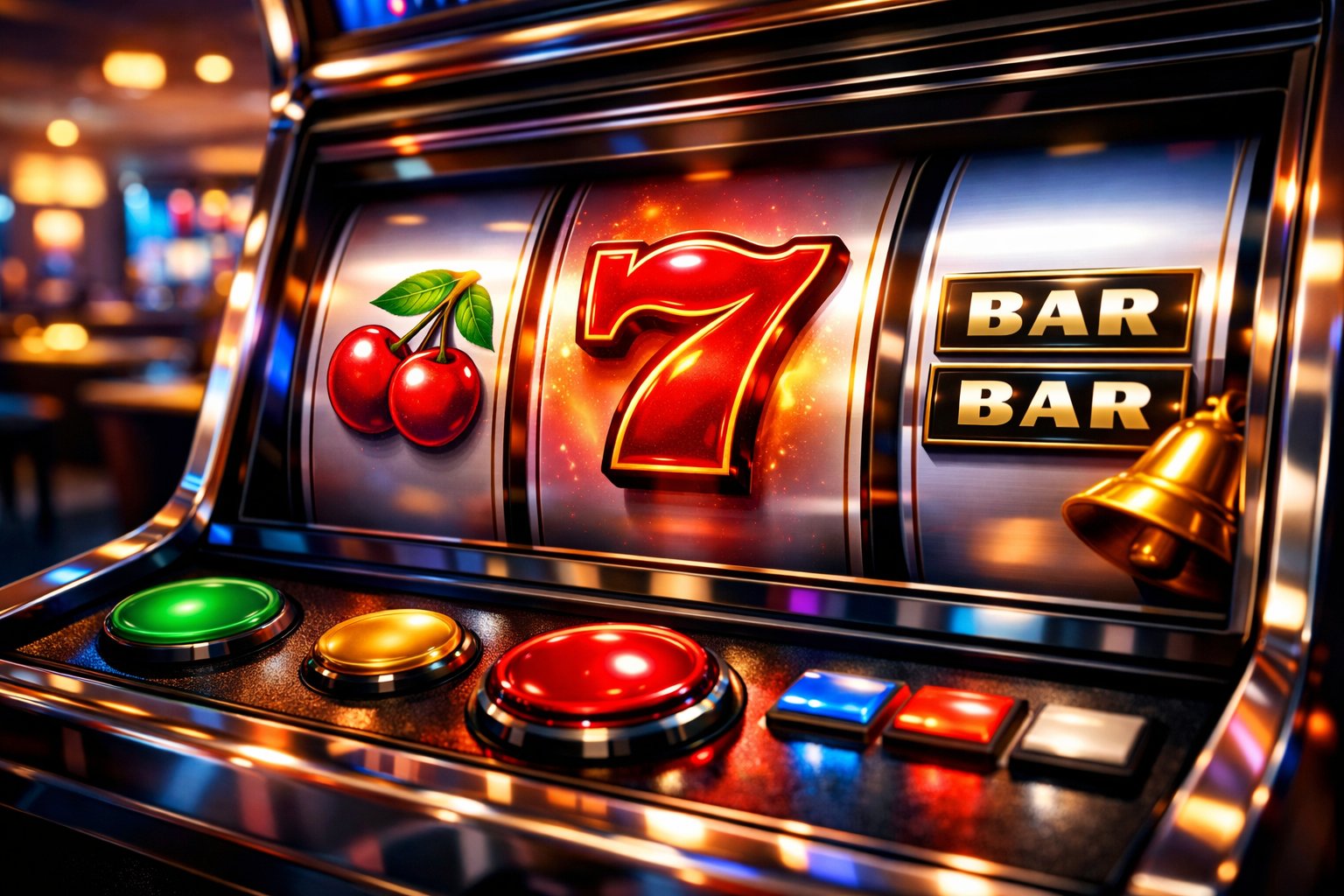
Your game’s theme sets the foundation for player engagement. Developers choose themes ranging from classic fruit machines to adventure narratives, mythology, or pop culture references. The visual style must align with your target audience and stand out in a crowded market.
Color schemes play a strategic role in theme execution. Bright, warm colors often signal excitement and energy, while cooler tones create a more relaxed atmosphere. Animation quality matters for modern players who expect smooth transitions and responsive feedback for every action.
Key Visual Components:
- Symbol design and iconography
- Background artwork and environments
- Animation effects for wins and bonuses
- Typography and readable text displays
- Lighting and particle effects
Sound design complements your visual elements. Audio cues reinforce wins, near-misses, and special features. The best designs create a cohesive sensory experience where visuals and sounds work together without overwhelming players.
User Interface and User Experience
Your interface needs to be intuitive from the first interaction. Players should locate betting controls, paytables, and game information without confusion. Clean layouts reduce friction and keep focus on gameplay.
Button placement follows usability standards. Spin buttons typically occupy the center-right position for easy thumb access on mobile devices. Bet adjustments appear nearby but separate enough to prevent accidental taps.
You must design for multiple screen sizes and orientations. Responsive layouts adapt elements based on device specifications. Mobile-first design has become standard as most players access games through smartphones and tablets.
Information hierarchy guides player attention. Critical data like current balance, bet amount, and win totals stay visible and legible. Secondary information such as game rules and settings remain accessible but don’t clutter the main screen.
Regulatory Compliance and Fairness
Random number generators (RNGs) ensure fair outcomes in casino games. These algorithms produce unpredictable results that cannot be manipulated by players or operators. Independent testing labs verify RNG integrity before games receive certification.
You need licenses from gaming authorities in each jurisdiction where your game operates. Different regions maintain distinct requirements for payout percentages, responsible gaming features, and technical standards.
Common Regulatory Requirements:
- Minimum RTP (Return to Player) percentages
- Maximum bet limits and win caps
- Reality check timers and session limits
- Self-exclusion tools
- Age verification systems
Game math must be documented and auditable. You provide detailed reports showing probability distributions, hit frequencies, and volatility models. Regulators review these documents to confirm games operate as advertised.
Emerging Trends in Casino Game Development
Artificial intelligence now assists in game balancing and player behavior analysis. AI tools help developers adjust difficulty curves and bonus frequencies based on engagement data. These systems identify which features resonate with different player segments.
Cross-platform functionality has become essential. Your games need to perform consistently across desktop browsers, iOS, Android, and potentially land-based terminals. Unified codebases reduce development time while maintaining quality across platforms.
Blockchain technology introduces provably fair gaming concepts. Smart contracts enable transparent verification of game outcomes. Cryptocurrency integration offers new payment options and attracts tech-savvy players.
Social features expand beyond traditional gameplay. Multiplayer elements, tournaments, and leaderboards add competitive dimensions. Some developers incorporate story progression systems that unlock content as players advance.