

When you play a slot machine and two jackpot symbols line up but the third one stops just short, you’ve experienced a near miss. That feeling of almost winning isn’t an accident. Casino game developers intentionally design near misses into their games to keep you engaged and playing longer, even though these outcomes are losses that provide no payout.
Near misses create a psychological response in your brain that makes losing feel similar to winning. Your mind interprets these close calls as signs that you’re getting better at the game or that a big win is just around the corner. This response happens even though each spin is completely random and your previous results don’t affect future outcomes.
Understanding how near misses work can help you recognize when game design is influencing your behavior. This article explains what near misses are, how they affect your motivation to keep playing, and the specific strategies developers use to build these mechanics into casino games.
Understanding Near Misses in Casino Games
Near misses create outcomes that appear close to winning but still result in losses, and game designers can build these moments into digital platforms to influence how players respond and behave.
Definition and Mechanics of Near Misses
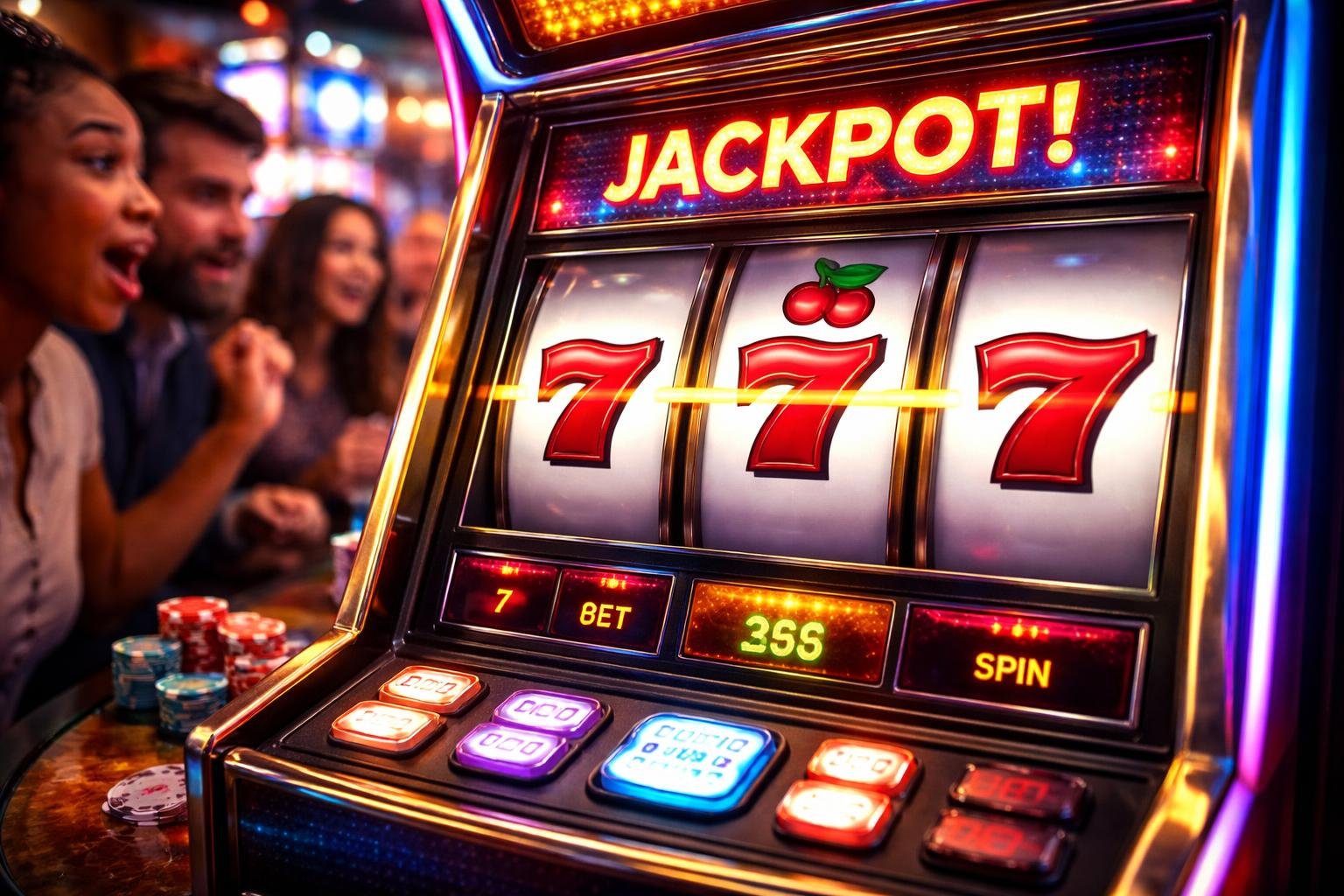
A near miss happens when the symbols or numbers in a casino game land just short of a winning combination. You might see two jackpot symbols line up on a slot machine payline while the third symbol stops just above or below it. This creates the visual impression that you almost won.
Game developers program these outcomes into the software that runs digital casino games. The random number generator determines each result, but the display can show symbols in ways that emphasize close calls. On a slot machine, you might watch the reels spin and see winning symbols appear to “almost” land in the right position.
Common near miss examples include:
- Two matching symbols on a payline with the third one space away
- A roulette ball landing in a pocket next to your chosen number
- Cards in blackjack that would have created 21 with one different draw
- Poker hands missing one card for a strong combination
The mechanics work differently across game types, but the core principle stays the same. You experience an outcome that looks similar to success without actually winning.
Prevalence in Slots and Table Games
Slot machines feature near misses more frequently than other casino games because of how the reels display results. You see all the symbols as they spin and stop, which makes it easy to notice when winning symbols land close to the payline. Modern video slots can show multiple reels and paylines at once, creating more opportunities for near miss displays.
Table games produce near misses through different mechanisms. In roulette, you experience a near miss when the ball lands one or two pockets away from your number. The physical wheel makes these close calls visible and easy to recognize.
Card games like blackjack create near misses less consistently. You might get a hand totaling 20 when the dealer shows 21, or you might bust at 22. These moments feel close to winning but don’t have the same visual impact as spinning reels.
Psychological Foundations
Your brain processes near misses differently than clear losses. Research shows that these almost-wins activate similar reward pathways to actual wins, even though you lose money. This response comes from expectancy theory, which suggests you stay motivated when outcomes seem to confirm you’re learning or improving.
Near misses provide what feels like positive feedback. You interpret the close call as evidence that a win is possible and perhaps likely with continued play. This perception occurs even though each spin or game round is independent and previous near misses don’t increase your chances of winning.
The effect influences two main behaviors. You may place bets more quickly after seeing a near miss, and you might feel more motivated to continue playing. These responses happen partly because your brain treats the near miss as meaningful information rather than just another loss.
Effects of Near Misses on Player Engagement
Near misses create measurable changes in how players interact with casino games. These outcomes trigger specific brain responses and behavioral patterns that directly affect how long people play and how motivated they feel to continue.
Impact on Gambling Motivation
Near misses increase your drive to keep playing even though you just lost. Your brain processes these outcomes differently than regular losses. When you see symbols line up almost perfectly, your striatal and insula regions activate similarly to actual wins.
This response happens because your brain interprets the near miss as progress toward a goal. You feel like success is within reach, which makes you want to try again. Studies show that players consistently rate near misses as more motivating than standard losses, even though both outcomes result in the same financial loss.
The effect becomes stronger when you believe you have some control over the game outcome. Your anterior cingulate cortex shows increased activity during near misses, particularly in games where you think your decisions matter. This brain activity correlates with higher gambling propensity scores and increased willingness to continue playing.
Influence on Session Duration
Your playing sessions typically last longer when games include frequent near miss outcomes. You place bets faster after experiencing a near miss compared to regular losses. This behavioral change happens without conscious awareness.
The speed increase stems from heightened arousal and the perception that a win is imminent. You become more engaged with the game and less likely to take breaks. Casino operators track these patterns and often design games with near miss frequencies that maximize playing time.
Research shows that games programmed with higher near miss rates keep players active for extended periods. You stay at the machine longer because each near miss reinforces the belief that the next spin could be the winning one.
Emotional Responses to Near Misses
Near misses create a mixed emotional state that differs from clear wins or losses. You experience both disappointment from losing and excitement from coming close. This combination produces a unique psychological effect that keeps you emotionally invested in the game.
Your insula activity during near misses correlates with how you rate these outcomes subjectively. You often report feeling more positive about near misses than full misses, despite losing money in both cases. This distorted perception affects your decision to continue gambling.
The emotional impact varies based on game design elements. Visual and auditory cues that highlight how close you came to winning amplify your emotional response. These features make near misses feel more significant than they actually are.
Game Design Strategies Leveraging Near Misses
Casino game developers use near misses as deliberate design tools to shape player behavior and maintain engagement. These strategies combine visual presentation, timing mechanics, and reward systems to create experiences that feel almost successful.
Implementation in Digital Casino Games
Digital slot machines program near-miss outcomes into their display mechanics separate from the actual random number generation. The reels show symbols that land just above or below the payline, creating the visual appearance of almost winning. Modern games use weighted reel strips where certain symbols appear more frequently in near-miss positions than their actual probability suggests.
Online slots employ sophisticated algorithms to control near-miss frequency. Developers set specific rates for how often these outcomes appear, typically ranging from 30% to 45% of all losing spins. The visual feedback happens in the display layer after the game has already determined the outcome.
Sound effects and animations amplify near-miss moments. Games might slow down the final reel, add suspenseful music, or highlight the symbols that almost aligned. These audio-visual cues trigger emotional responses even though the spin was already lost before the reels stopped moving.
Role in Reward Structures
Near misses function as pseudo-rewards in variable ratio reinforcement schedules. Your brain processes these outcomes differently than clear losses because they activate similar reward pathways to actual wins. This response happens even when you consciously know you lost money.
Game designers balance three outcome types: wins, near misses, and clear losses. The ratio between these determines player retention rates. Too many near misses can frustrate players, while too few reduce the motivation to continue. Most successful games maintain enough near-miss frequency to sustain hope without overwhelming the player experience.
The placement of near misses matters in session design. Developers often increase near-miss rates after significant losses or during extended losing streaks to maintain engagement during low points.
Regulatory Considerations
Gaming commissions in multiple jurisdictions now regulate near-miss mechanics. The UK Gambling Commission requires that reel displays accurately represent outcome probabilities. Games cannot show symbols in near-miss positions more often than their weighted frequency on the actual reels.
Some regions mandate transparency requirements. Developers must disclose return-to-player percentages and cannot program virtual reels that misrepresent true odds. Nevada and New Jersey require independent testing laboratories to certify that near-miss rates fall within acceptable parameters.
Regulatory bodies increasingly scrutinize the distinction between cosmetic presentation and mechanical fairness. While developers can control visual and audio feedback, they face restrictions on manipulating symbol displays to create artificial near-miss frequency beyond what the base mathematics produce.