

Casinos use specific color combinations to create an atmosphere that keeps guests engaged and entertained. The most common casino color schemes include red and gold for luxury, black and red for classic elegance, and green for gaming tables, with each color chosen to influence mood and behavior. These color choices are not random. They help establish brand identity and shape how visitors feel from the moment they walk through the door.
Understanding casino color schemes can help you design your own casino-themed event or appreciate the strategy behind these gaming spaces. Colors affect everything from excitement levels to how long people stay in a space. The right palette can make your casino party feel authentic or help you recognize the techniques real casinos use.
This guide breaks down the key colors used in casino design and explains why they work. You’ll learn about the core elements that make up effective casino color schemes and practical strategies for applying these combinations to your own projects.
Core Elements of Casino Color Schemes
Casino color schemes rely on three primary components: the psychological effects colors trigger in players, the traditional palettes that define casino branding, and the emerging trends reshaping modern gaming spaces.
Psychological Impact of Colors in Casinos
Colors directly influence your emotional state and decision-making when you enter a casino. Red creates excitement and urgency, which encourages you to take risks and make faster betting decisions. This is why you’ll find red featured prominently on slot machines and gaming tables.
Green evokes feelings of calmness and is associated with money and luck. Casinos use green on felt tables and in accent areas to make you feel more comfortable spending money.
Blue tones promote trust and relaxation. You’ll notice blue in registration areas and loyalty program sections because it helps reduce anxiety about financial transactions.
Gold and yellow signal wealth and optimism. These colors appear in VIP areas and high-stakes rooms to reinforce the feeling of potential winnings.
Black conveys sophistication and exclusivity. Casinos pair it with other colors to create contrast and guide your attention to specific gaming areas or promotional elements.
Classic Casino Color Palettes
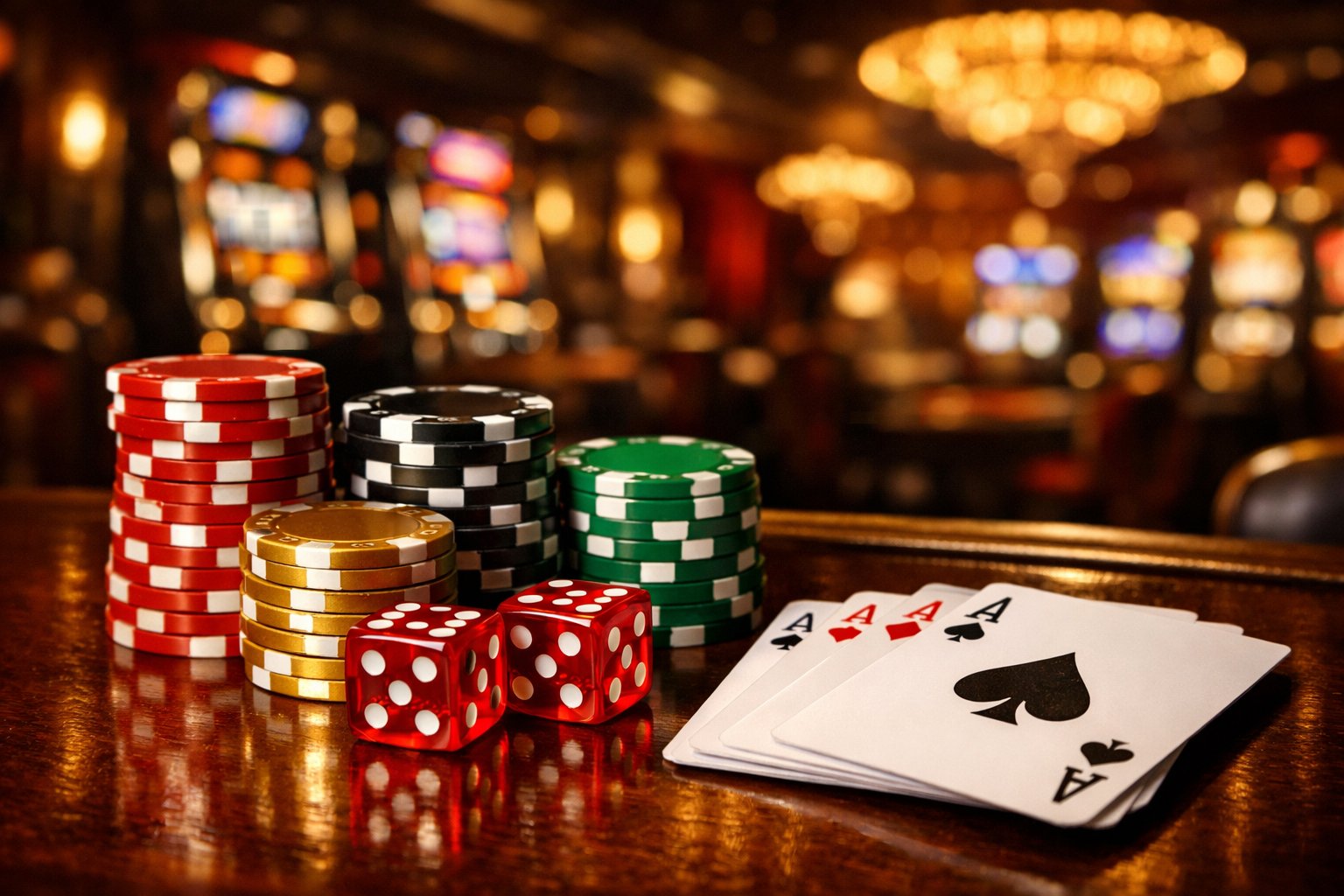
The traditional Vegas palette combines red, black, and gold. This trio creates high energy while maintaining an upscale feel. You’ll see this combination in carpet patterns, wall accents, and gaming equipment across established casinos.
The Monte Carlo scheme uses black, white, and gold for a more refined atmosphere. This palette targets you if you prefer elegant, understated luxury over bold excitement.
Many casinos incorporate deep purple and gold to suggest royalty and premium experiences. This combination appears frequently in VIP lounges and exclusive gaming sections.
Green and burgundy form another classic pairing, especially in poker rooms and table game areas. The green references traditional felt tables while burgundy adds warmth without overwhelming intensity.
Modern Trends in Casino Color Scheme Design
Contemporary casino design shifts away from traditional dark, intense colors toward brighter, more diverse palettes. You’ll find modern casinos using teal, coral, and lighter wood tones to appeal to younger demographics.
Digital platforms now adapt color schemes based on your user profile. VIP members see darker, richer tones that suggest exclusivity, while new players encounter brighter, more inviting colors that reduce intimidation.
Seasonal and event-based color updates keep your experience fresh. Casinos maintain their core brand identity while temporarily shifting accent colors for holidays or special promotions.
Cultural customization has become standard for international markets. Casinos adjust their color schemes based on regional preferences and cultural meanings to avoid negative associations and maximize appeal in different territories.
Design Strategies for Casino Color Schemes
Effective casino color schemes require careful planning that considers visual appeal, brand identity, and the diverse backgrounds of players. The right strategy balances beauty with purpose while respecting cultural meanings and business goals.
Balancing Aesthetics and Functionality
Your casino color scheme needs to look attractive while serving practical purposes. Colors must guide players through the space and highlight important areas like gaming tables, slot machines, and service desks.
Key functional considerations include:
- Visibility and wayfinding – Use contrasting colors to help players find exits, restrooms, and different gaming sections
- Lighting compatibility – Choose colors that work well under both natural and artificial casino lighting
- Eye strain reduction – Avoid overly bright or clashing combinations that cause discomfort during extended play
The color palette should create zones within your casino. Gaming areas benefit from energizing reds and golds that maintain excitement. VIP sections use deeper purples and blacks to signal exclusivity. Rest areas incorporate calming blues and greens to give players a mental break.
Your flooring, wall, and ceiling colors work together to control how spacious or intimate each area feels. Darker ceiling colors make rooms feel more intimate, while lighter walls open up the space.
Branding Through Color Schemes
Your color choices communicate your casino’s identity before players read a single word. These colors appear across your physical space, website, mobile apps, and marketing materials.
Select a primary color that defines your brand personality. Red suggests energy and excitement. Blue conveys trust and stability. Gold represents luxury and winning. Your secondary colors support the primary shade and add depth to the visual experience.
Consistency matters across all touchpoints. Your slot machine interfaces should use the same palette as your lobby carpet and promotional emails. This repetition builds recognition and trust with players.
Different casino brands target different audiences. A casino focused on high-rollers uses sophisticated color combinations like navy and platinum. A family-friendly venue uses brighter, more playful colors. Your color strategy must align with your target market’s expectations and preferences.
Cultural Considerations in Color Selection
Colors carry different meanings across cultures, which affects how players respond to your casino. What attracts players in one region might discourage them in another.
Cultural color associations:
| Color | Western Markets | Asian Markets |
|---|---|---|
| Red | Excitement, danger | Luck, prosperity, celebration |
| White | Purity, cleanliness | Mourning, death |
| Gold | Wealth, luxury | Wealth, imperial power |
| Green | Nature, money | Health, harmony |
| Purple | Royalty, luxury | Wealth, nobility |
Your casino’s location and primary customer base determine which cultural considerations matter most. Casinos in areas with large Asian populations often feature more red and gold because these colors symbolize good fortune and wealth in those cultures.
Test your color schemes with focus groups from your target demographics. This research reveals unexpected reactions and helps you avoid colors that might alienate certain player groups. Your goal is creating an environment where all your intended customers feel welcome and comfortable.